

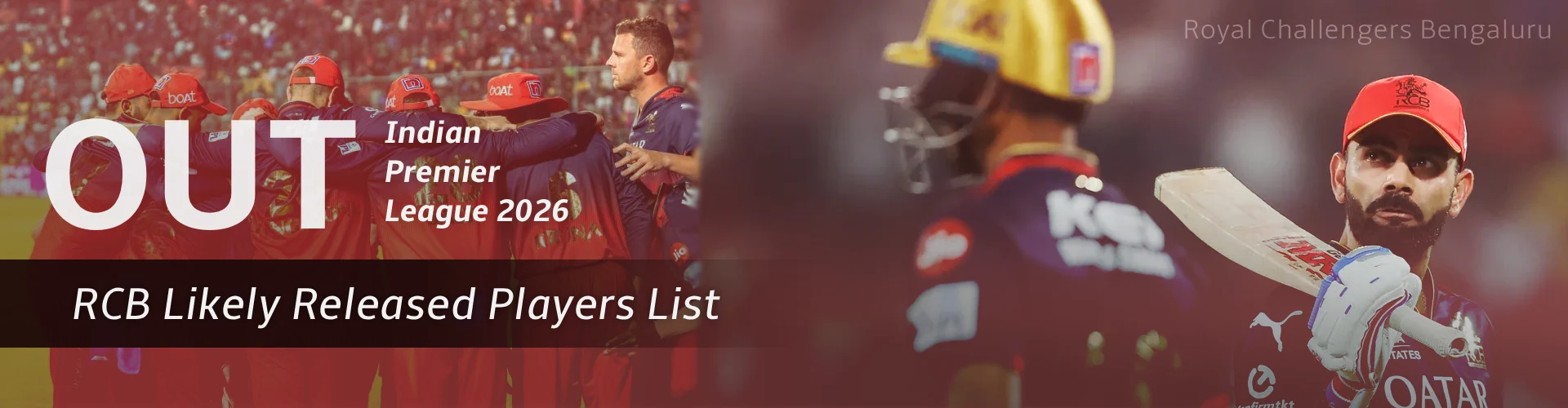


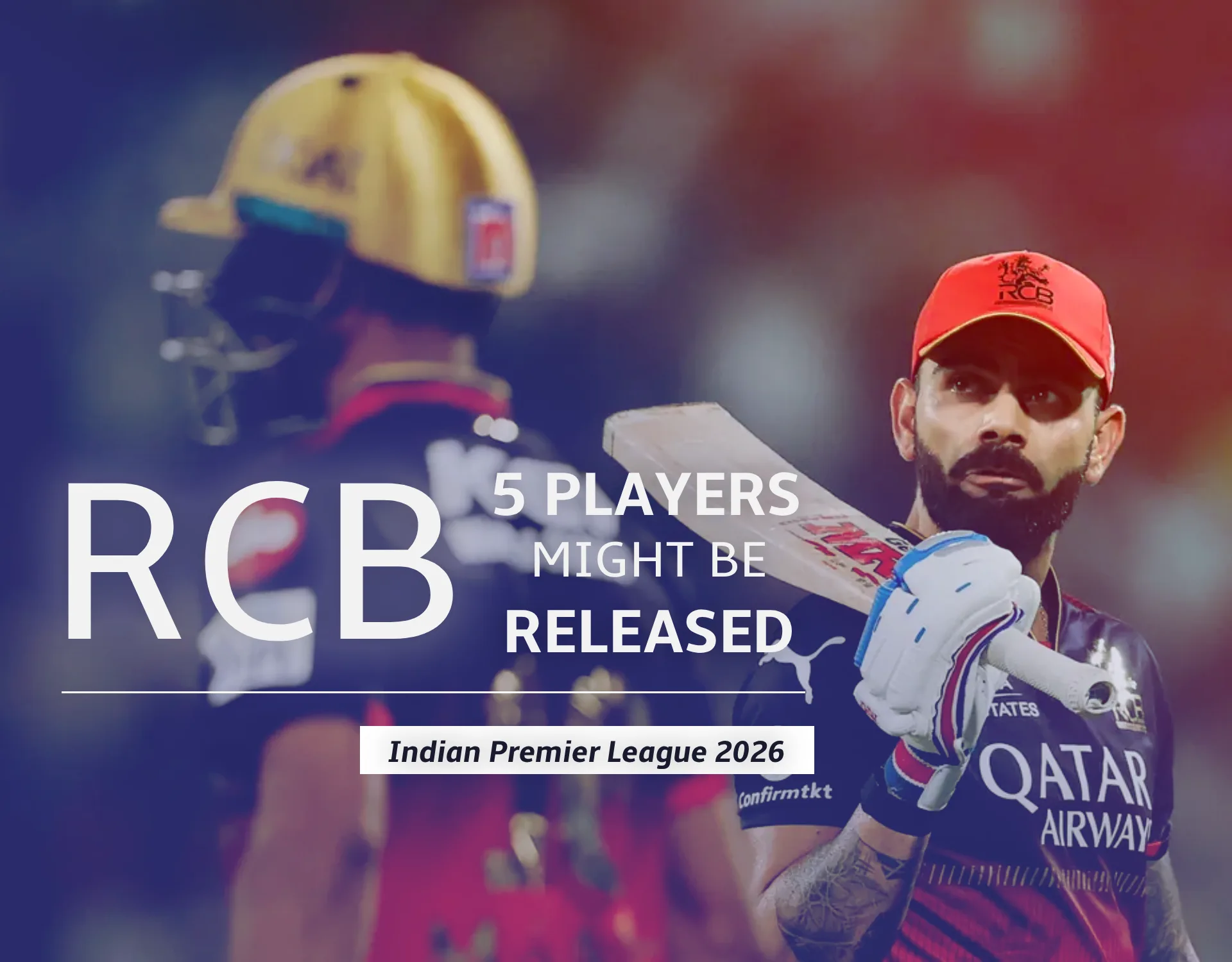
Something big is brewing in the IPL ecosystem. And this time, it’s not just about cricket. Adar Poonawalla, CEO of the Serum Institute of India, has publicly indicated his intention to acquire a stake as part of RCB new ownership, sparking intense discussion across the cricket and business worlds. The move comes at a fascinating moment, with RCB for sale just months after their historic 2025 title win. Why would a champion franchise change hands now? And is Poonawalla the right figure to lead one of the IPL’s most emotionally charged teams into its next era?
Why RCB Is Up for Sale?
At first glance, the situation feels contradictory. RCB are defending champions. Their women’s team lifted the WPL in 2024. Fan engagement is at an all-time high. Yet behind the scenes, the reality is more complex—and that complexity explains why RCB for sale has become one of the biggest talking points in Indian sport.

Royal Challengers Bengaluru is owned by United Spirits Limited, a subsidiary of global liquor giant Diageo. In late 2025, Diageo announced a formal strategic review of its investment in the franchise. The intent was clear: reassess non-core assets and sharpen focus on the company’s primary alcohol business. This is the first fault line. Running an IPL franchise today is no longer a side investment. It demands full-time attention, public accountability, and constant engagement with fans, regulators, and sponsors. For a multinational alcohol company, the optics and operational demands increasingly clash with core business priorities.
在 Instagram 查看這則貼文
Then comes valuation. RCB’s brand value surged dramatically after the 2025 IPL win. Media estimates place the franchise at close to USD 2 billion, translating to more than ₹17,000 crore. For Diageo, this represents an ideal exit window, sell at peak valuation rather than hold through future regulatory and reputational uncertainty.
— Cricbuzz (@cricbuzz) January 22, 2026
And there is risk. The tragic stampede during RCB’s 2025 victory celebrations, which resulted in 11 fatalities, raised serious questions around crowd control, event planning, and franchise oversight. While investigations continue, the incident added reputational pressure at a time when alcohol advertising in sports is already under scrutiny. Put simply, this is a textbook strategic divestment. High value. Rising risk. Limited strategic alignment. That combination explains why RCB is now preparing for a potential ownership transition, opening the door to bidders who view the franchise not as a marketing tool, but as a long-term institution.
Related Article:The Name We Grew Up With — Will the RCB Name Change Make It History?

Adar Poonawalla and RCB:Vision, Legacy, and Brand Alignment
Poonawalla is not entering the IPL conversation as a celebrity investor or short-term speculator. He is the CEO of the Serum Institute of India, the world’s largest vaccine manufacturer by volume, and a business leader known for long-horizon thinking. His role during the COVID-19 pandemic cemented his reputation as someone capable of managing scale, pressure, and public trust simultaneously.
ADAR POONAWALA TO BUY RCB 🚨
Serum Institute of India’s CEO Adar Poonawalla was in talks with Royal Challengers Bengaluru (RCB) owners Diageo Plc to possibly acquire the Indian Premier League’s (IPL) 2025 champion, a source close to the development said. pic.twitter.com/2cHQlcykrc
— CHIKU JI❤️ (@MaticKohli251) September 30, 2025
His interest in RCB is neither sudden nor symbolic. When reports of RCB new ownership surfaced, Poonawalla publicly confirmed that he would submit a “strong and competitive bid,” describing the franchise as one of the best in the league. This matters, because it signals intent—not curiosity.
🚨 ADAR POONAWALLA CONFIRMS HE’LL PLACE A BID TO BUY THE RCB FRANCHISE. 🚨 pic.twitter.com/ZHRKQAIkS6
— Mufaddal Vohra (@mufaddal_vohra) January 22, 2026
RCB, after all, is more than a cricket team. It is a lifestyle brand built on the “Play Bold” philosophy. The franchise boasts one of the most loyal fan bases in global sport, sustained by year-round engagement, premium merchandising, and cultural icons like Virat Kohli. Even during trophy-less years, RCB commanded disproportionate attention and commercial pull.
📰🚨 Adar Poonawalla to put STRONG bid for RCB in next 2 months.
– FYI, RCB to conclude this bidding by March. pic.twitter.com/1JLyR5OK8O
— RCBIANS OFFICIAL (@RcbianOfficial) January 22, 2026
Now, with championships on both the men’s and women’s sides, that influence has multiplied. This is where the alignment becomes compelling. Poonawalla’s leadership approach emphasizes institution-building, social responsibility, and long-term brand equity. Unlike a liquor conglomerate navigating advertising restrictions, his core businesses do not face the same regulatory conflicts in sports ownership.

What This Moment Means for RCB and the IPL?
The coming months will define a new chapter in IPL history. With RCB for sale, the league is witnessing the transformation of cricket franchises into billion-dollar cultural institutions. For Diageo, the decision reflects strategic discipline. For Adar Poonawalla, it represents a long-standing ambition finally aligning with opportunity. And for fans, RCB new ownership raises one central question: can fresh leadership preserve the soul of a team built on belief, loyalty, and boldness?
在 Instagram 查看這則貼文
If the deal materializes, it will not just change who owns RCB. It will redefine how elite Indian sports teams are governed in the years ahead. The stage is set. The stakes are massive. And RCB’s next era is about to begin.