

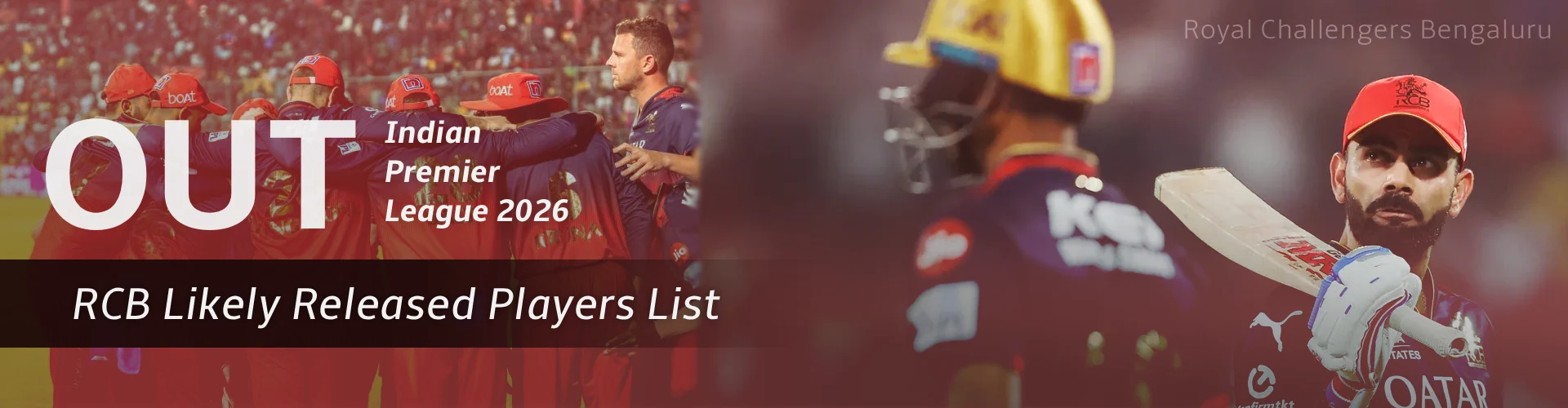


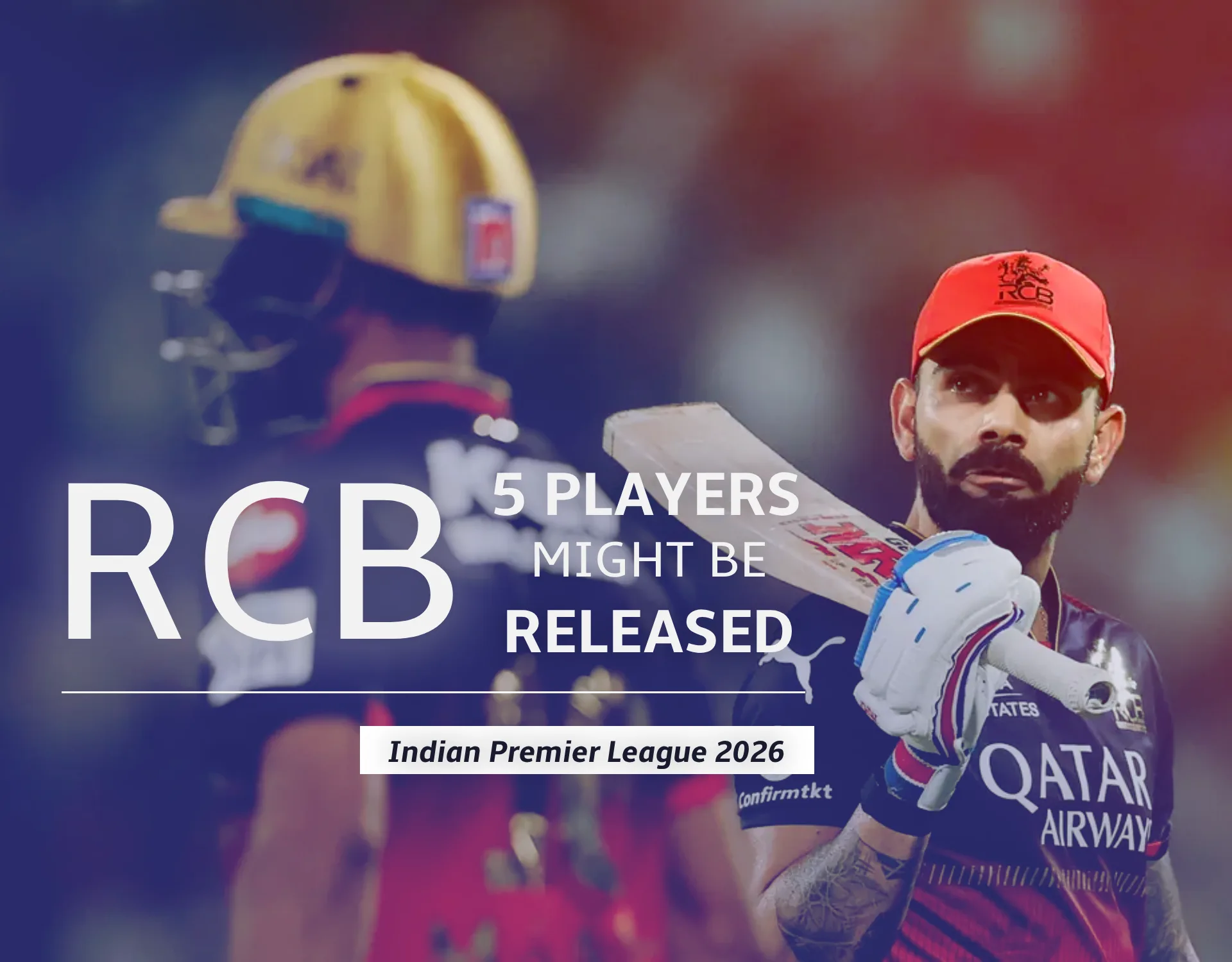
It’s official that the Royal Challengers Bengaluru (RCB) has been put on sale. The announcement has sent ripples across both the cricketing and corporate worlds, as one of the most celebrated IPL franchises looks set for new ownership. When a team of RCB’s stature is put on sale, the question that instantly follows is simple yet seismic: Who will buy RCB? With Diageo confirming that the sale process will conclude by March 31, 2026, the stage is set for a high-stakes bidding war that could reshape the future of the IPL.
Contents
Why Diageo Is Selling RCB?
The news of RCB put on sale has sparked curiosity about the reasons behind Diageo’s move. The global beverage major, which owns RCB through its Indian arm United Spirits Ltd (USL), has clarified that the franchise is a “non-core asset” in its portfolio. Essentially, Diageo wants to return focus to its primary alcohol business and distance itself from ventures unrelated to its core industry.
Related Article:Inside Scoop:Why Diageo Wants RCB for Sale Off Its Books?
🚨BREAKING NEWS🚨
It is official!! RCB have been put on sale.
The process has already been initiated. There is confidence that the sale will be completed by March 31, 2026. pic.twitter.com/H0jkN1yTuP
— Cricbuzz (@cricbuzz) November 5, 2025
Moreover, recent years have seen growing regulatory scrutiny over alcohol-related advertising in sports. That has placed Diageo in an awkward position, especially as RCB’s brand visibility continues to skyrocket. When a company like Diageo decides to streamline operations, it makes strategic sense to divest from non-core investments and hence, RCB put on sale becomes a logical step.
Diageo, the company that owns the Royal Challengers Bengaluru teams in the IPL and WPL, has started the process of selling its share in the franchise pic.twitter.com/inuut4Vlb5
— ESPNcricinfo (@ESPNcricinfo) November 5, 2025
There are also reputational concerns at play. The tragic stampede outside Bengaluru’s M. Chinnaswamy Stadium earlier this year during RCB’s title celebrations reportedly raised internal red flags about safety and public relations management. While Diageo has never directly cited the incident as a reason, it certainly adds context to their decision to explore a sale. Ultimately, this move reflects the company’s larger goal of refocusing on sustainable, high-margin growth while ensuring that RCB continues to thrive under a new, more invested owner.

RCB’s Massive Market Value and Fan Power
The announcement of RCB put on sale comes at a time when the franchise is arguably at its commercial peak. Over the years, RCB has built one of the largest and most passionate fan bases in cricket, transcending regional boundaries and evolving into a global brand. With millions of loyal supporters across India and abroad, the RCB franchise value has soared to record highs, making it one of the crown jewels of the IPL ecosystem.

Industry analysts estimate the RCB franchise value at around $2 billion, which would make it one of the most expensive sports teams in Asia. This impressive valuation is backed by massive brand recognition, strong sponsorship deals, and booming digital engagement. The team’s merchandise, online fan community, and social media presence consistently rank among the best across all IPL teams. RCB’s revenue stream has also been on an upward curve in recent seasons, fueled by championship success and record-breaking viewership numbers.
🚨 Adar Poonawalla is reportedly planning to buy the Royal Challengers Bengaluru cricket team for a valuation of up to $1-1.2 billion. pic.twitter.com/3Lbntii2vy
— Indian Tech & Infra (@IndianTechGuide) November 6, 2025
This financial stability, coupled with unmatched fan loyalty, makes the franchise extremely attractive to investors. When RCB put on sale, it wasn’t just a cricket story it became a business event of global interest. The sale of such a high-value sports asset highlights how cricket has evolved from a passion to a billion-dollar enterprise, with RCB standing tall as one of its brightest brands.

Who Will Buy RCB? The Race for Ownership Begins
The big question now Who will buy RCB? has set off a frenzy of speculation across the corporate world. With RCB put on sale, several heavyweight contenders are reportedly lining up to bid for ownership of the IPL champions. Among the potential buyers are global investment firms from the United States and some of India’s most prominent business groups.

Leading the list of likely suitors are the Adani Group, which has been eyeing an IPL team for years, and the JSW Group, co-owners of Delhi Capitals, who may look to expand their cricketing footprint. Industrialist Adar Poonawalla, CEO of Serum Institute of India, is also said to be interested, given his growing portfolio in sports and entertainment ventures. Meanwhile, Ravi Jaipuria, the Delhi-based billionaire and owner of Devyani International Group, could emerge as a surprise bidder, given his financial muscle and expanding consumer-brand empire. While no official bids have been disclosed yet, it’s expected that serious negotiations will intensify through 2025. The RCB franchise value and brand strength make it a rare trophy asset one that combines passion, profitability, and prestige.
🚨 NEW OWNER FOR RCB 🚨
RCB is set to be sold, new owner likely to come before March 31st. [Sahil Malhotra from TOI] pic.twitter.com/J7oR5eu2rg
— Johns. (@CricCrazyJohns) November 5, 2025
The sale process, scheduled to conclude by March 2026, gives Diageo ample time to evaluate offers, complete due diligence, and ensure a smooth transition. The Board of Control for Cricket in India (BCCI) and the IPL Governing Council have already been informed, ensuring that the handover process remains transparent and compliant. Whoever ends up owning RCB will not just inherit a team they’ll inherit a legacy. The franchise represents both the glamour of modern cricket and the emotional heartbeat of millions of fans who bleed red and gold every IPL season. With RCB put on sale, the new owner will face the challenge of maintaining that emotional connection while taking the team’s commercial and global footprint to new heights.