






Indian fans waited. You waited. You waited for that familiar backlift, that lazy elegance, that straight drive that still makes time pause. Rohit Sharma and Virat Kohli were back in domestic whites, moments Indian cricket fans dream about but rarely get to witness. And then, nothing. No telecast. No stream. No way to watch. This wasn’t just a missed broadcast. It exposed deeper cracks in BCCI broadcast quality, raised uncomfortable questions about how India domestic cricket is treated, and highlighted the disconnect between fans and the richest cricket board in the world.
Homecoming Fans Were Desperate to See
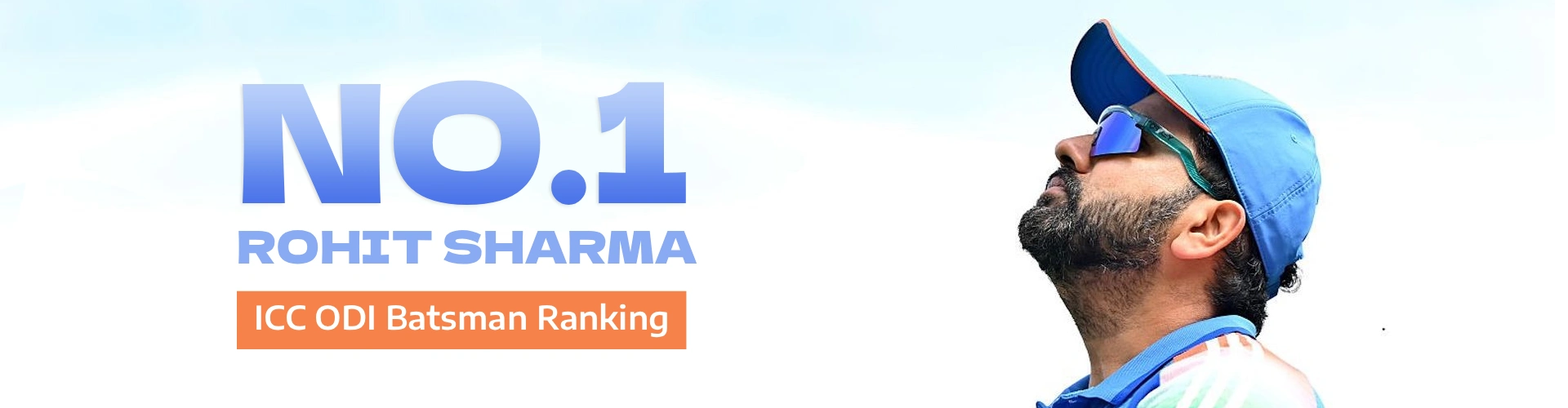
Indian fans were eagerly hoping to see Rohit Sharma and Virat Kohli return to the domestic circuit, only to be left deeply disappointed by the BCCI. This wasn’t a routine Vijay Hazare Trophy fixture for you. It was history coming alive. Rohit playing VHT for the first time since 2018. Kohli returning after an astonishing 15 years. These are the moments that reconnect fans to the roots of the game.
𝗥𝗼𝗵𝗶𝘁 𝗦𝗵𝗮𝗿𝗺𝗮 𝗦𝗵𝗼𝘄 🍿
1⃣5⃣5⃣ runs
9⃣4⃣ balls
1⃣8⃣ fours
9⃣sixesRohit Sharma announced his return to the #VijayHazareTrophy in a grand fashion with a memorable knock against Sikkim 🔥@IDFCFIRSTBank | @ImRo45 pic.twitter.com/cuWMUenBou
— BCCI Domestic (@BCCIdomestic) December 24, 2025
Yet on December 24, excitement turned into frustration. Rohit’s Mumbai played Sikkim in Jaipur. Kohli’s Delhi, led by Rishabh Pant, faced Andhra Pradesh in Bengaluru. Both matches happened. Both mattered. And yet, neither was available on television or streaming platforms. Imagine knowing Rohit Sharma is batting and being unable to see a single delivery. Imagine Kohli walking out in Delhi colours and having to rely on score updates alone. This wasn’t due to weather or last-minute chaos. It was a deliberate outcome of how domestic matches are planned, prioritised, and presented.

Where the System Broke Down:Broadcasts, Tickets, and Access
This brings us to the uncomfortable truth about BCCI broadcast quality during domestic tournaments. In the Vijay Hazare Trophy 2025–26, all 38 teams played simultaneously, with 19 matches happening on the same day. Yet broadcasting infrastructure was installed at just two venues—Ahmedabad and Rajkot.
Four cameras in four corrners and Live broadcast of U-19 ODI and test series between India and Australia by Cricket Australia 🔥
Richest board BCCI @BCCI can never compete with CA @cricketcomau when it comes to Production Quality
📌- Ian Healey Oval, Brisbane https://t.co/U9BHSzCHst pic.twitter.com/rLOIotSG9p
— Wren (@vyomanaut02) December 24, 2025
As a result, only two matches per round were shown live. Matches involving Mumbai in Jaipur and Delhi in Bengaluru were left out entirely. From an operational standpoint, this might sound efficient. From a fan’s point of view, it feels careless. Ticket access only deepened the frustration. Fans in Jaipur could at least walk into the stadium and watch Rohit live. In Bengaluru, spectators weren’t even allowed, with the fixture shifted away from Chinnaswamy Stadium to the Centre of Excellence. Domestic cricket, the foundation of the Indian system, suddenly felt inaccessible and distant.
– Decides to not broadcast the VHT matches at all
People rely on Live updates
– Bcci site crashing after every 2 min
– Cricbuzz being internet explorerEven Local tournaments are live streamed on CricHeroes then there is BCCI – the richest board. pic.twitter.com/jxqH12ksQm
— Shivani (@meme_ki_diwani) December 24, 2025
What makes this more painful is the inconsistency. Earlier this year, a Delhi Ranji Trophy match was added to the broadcast schedule at the last minute once Kohli confirmed his participation. The infrastructure didn’t magically appear overnight. The intent did. That inconsistency is why India domestic cricket often feels like an obligation rather than a celebration. Star Sports and JioCinema technically hold broadcast rights, but only “selected fixtures” are prioritised. The rest survive through scorecards and scattered clips. Over time, this erodes emotional investment. Fans are told domestic cricket matters, but they aren’t allowed to watch them matter. Here’s the kicker. The knockout matches of the same tournament will be telecast from the Centre of Excellence. The facilities exist. The cameras exist. The decision not to broadcast group-stage games is a choice.

How England and Australia Get Domestic Cricket Right?
Now compare this with England and Australia, and the contrast is stark. County cricket in England may not draw massive stadium crowds, but it is visible. Matches are streamed. Highlights are archived. Fans can follow players from county cricket to the national side. And in Australia, Sheffield Shield games are treated as pathways, not inconveniences. You can watch them. You can analyse performances. Domestic cricket is presented as a story unfolding, not a background process.
Australia domestic cricket broadcasting quality puts BCCI domestic cricket broadcasting quality to real shame 😂😂😂 pic.twitter.com/DjxTIIaLCR
— Troll cricket unlimitedd (@TUnlimitedd) November 10, 2025
In India, the situation is paradoxical. The BCCI remains financially unmatched. Even after the end of its Rs 358-crore Dream11 sponsorship and a dip in ICC event revenue, strong financial management, new sponsorships, and diversified income streams ensure the board continues to be the richest cricket board in the world.
EXPOSING the real reason why Indian cricket broadcast suck :
Let’s compare BCCI with Cricket Australia because this is where the entire truth becomes clear.
CA broadcasts every home match in native 4K HDR, while BCCI still delivers India’s home cricket in old 1080i HD. CA uses… pic.twitter.com/JOZVTP3kFK
— Ragav 𝕏 (@ragav_x) December 4, 2025
And that’s exactly why the criticism stings. When resources aren’t the problem, priorities become the question. The IPL’s success has shifted focus. Domestic tournaments now exist primarily to feed the international and league ecosystem. They function efficiently but rarely feel valued. When fans are locked out, domestic cricket becomes abstract—something you know exists, but don’t feel connected to. Moments like Kohli’s return after 15 years deserved better. Not because he’s a superstar, but because domestic cricket itself deserved that respect.

The Real Cost of Ignoring the Fan Experience
The bottom line is simple. If the BCCI wants domestic cricket to truly matter, it must let fans watch it matter. Visibility builds value. Access builds loyalty. And when the richest cricket board sidelines its own domestic tournaments, it sends a troubling message about priorities. Legends will always play. But unless BCCI broadcast quality improves and India domestic cricket is treated as a product worth showcasing, fans will continue to feel shut out of the very moments that make the game special.